



Blog
Office Chairs for Long Meetings: Comfort That Supports Better Conversations

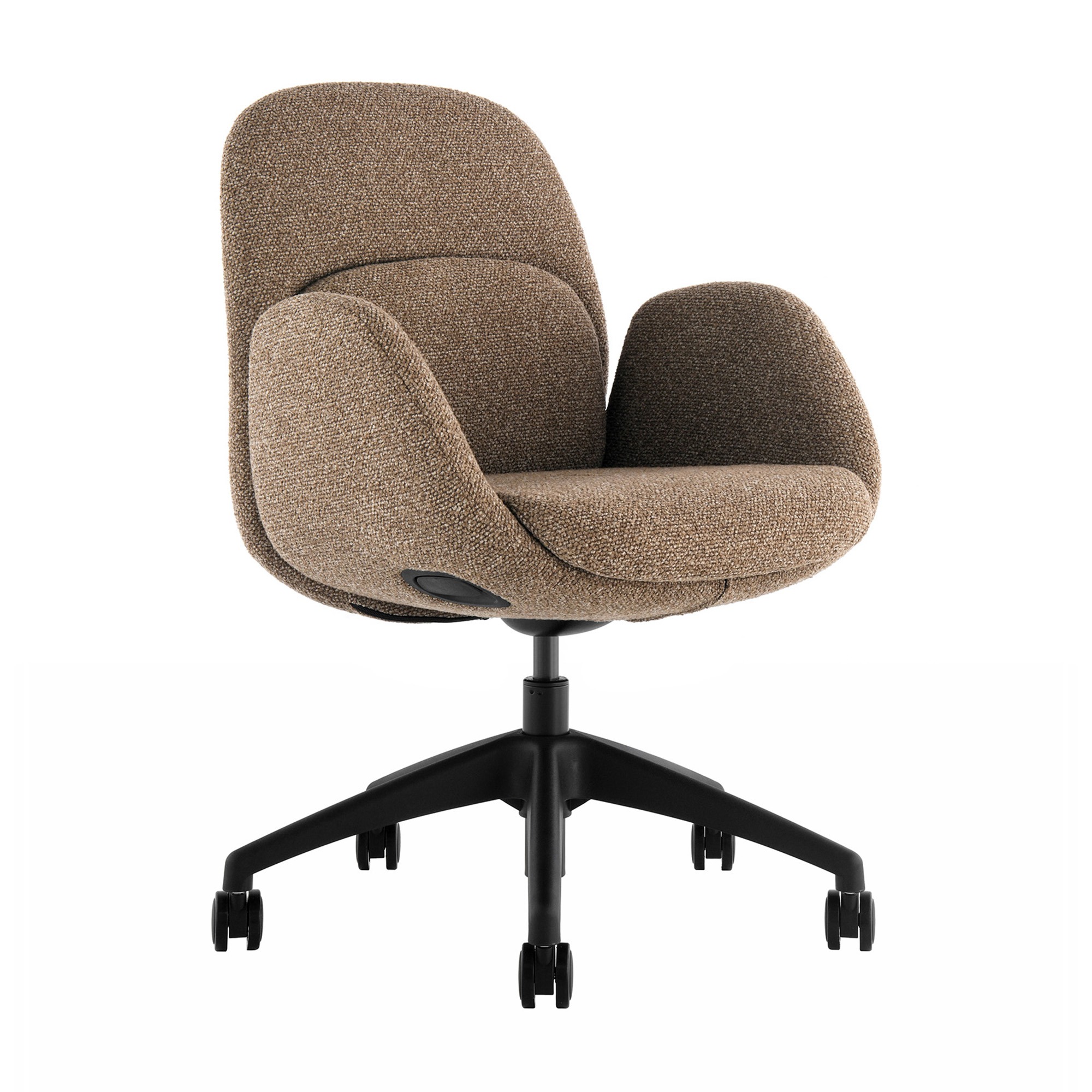
Choosing Office Chairs for Long Meetings
Long meetings can reveal the difference between furniture that looks suitable and furniture that performs well.
When people are constantly shifting in their seats, leaning away from the table or struggling to stay comfortable, the chair can become a distraction. Suitable office chairs for long meetings help people remain focused, participate more easily and feel properly supported throughout the discussion.
Comfort is only one part of the decision. The chair also needs to suit the meeting table, fit the room’s visual style and work well for a range of users.
Table of Contents
Why seating affects the meeting experience
A meeting room is a shared workplace. The same chair may be used by people with different heights, body shapes, preferences and mobility needs. A chair that works well for one person may feel restrictive or uncomfortable for another.
The seat should provide enough support without forcing the user into a rigid position. A supportive backrest, suitable seat depth and a comfortable front edge can help reduce pressure and make it easier for people to remain settled during longer discussions.
The wider room setup matters too. A chair that is comfortable on its own may not work well if the table is too high, legroom is limited or chairs are placed too close together.
Safe Work Australia highlights the importance of allowing people to vary their posture and movement instead of remaining in one fixed position for extended periods. Read the information on sitting and standing at work.
Features that make meeting chairs more comfortable
Several features can improve the experience of people attending longer meetings.
Supportive backrests
A backrest should support the lower and upper back without feeling excessively rigid. A chair with a suitable shape encourages a more relaxed sitting position and gives users somewhere to rest between moments of active participation.
A balanced seat
The seat needs to provide support without being too firm or too soft. Appropriate depth is also important. If the seat is too deep, shorter users may struggle to sit comfortably against the backrest. If it is too shallow, taller users may not feel properly supported.
Freedom to move
People naturally change position during a meeting. Chairs should allow small movements without feeling unstable. Depending on the space, a swivel base or mobile design may help users adjust their position and move in and out of the table more easily.
Suitable armrests
Armrests can provide additional support, particularly during longer meetings. However, they need to fit comfortably under or beside the meeting table. Chairs with fixed armrests may become difficult to position if the table has limited clearance.
For some meeting rooms, chairs without armrests offer greater flexibility. They can often be placed closer together and may be easier to store when the room needs to serve more than one purpose.
Hard-wearing upholstery
Meeting room chairs are used by many people, so the covering should be durable and easy to maintain. The colour and texture should also suit the overall design of the office. Neutral upholstery can create a calm and professional environment, while a stronger colour can help define a collaborative or creative space.
The chair should suit the room
The best office chairs for long meetings are selected as part of the complete room design.
The chair height should work with the meeting table. There should be enough space for people to sit comfortably without their knees pressing against the underside of the table. The room should also allow people to pull out their chairs and move around without obstructing entrances, screens or presentation areas.
Visual consistency is valuable as well. A well-designed meeting room feels more professional when the chairs, table, lighting and surrounding furniture work together. This does not mean every item needs to match exactly. Similar finishes, proportions and colours can create a more considered result.
Comfort can support better participation
A comfortable meeting room can influence how people experience the organisation. Clients, suppliers, applicants and team members are more likely to feel welcome when the environment is practical and thoughtfully furnished.
Good seating also supports different meeting styles. A formal boardroom may call for structured chairs with generous back support, while a training room may benefit from lighter chairs that are easier to move and store.
Explore Conference Seating Solutions
Businesses looking for seating for boardrooms, conference rooms or visitor areas can explore a range of styles designed for professional meeting environments.
Frequently asked questions
What type of office chair is best for long meetings?
The most suitable chair will provide comfortable seating, supportive back design, suitable seat dimensions and enough freedom of movement. The chair should also suit the height and layout of the meeting table.
Are conference chairs different from task chairs?
Conference chairs are generally designed for shared meeting areas, while task chairs are usually intended for individual workstations. Task chairs often offer more adjustment, while conference chairs may focus on appearance, comfort and ease of use in a shared setting.
Should meeting chairs have wheels?
Wheels can make it easier for users to move in and out of a meeting table, but they are not essential for every room. A stable chair with glides may be better for formal boardrooms or spaces where chairs need to remain in position.
How many chairs should a meeting room have?
The room should accommodate the usual number of attendees while leaving enough space for comfortable movement. Filling every available section of the table can make the room feel cramped and reduce flexibility.


