



Blog
A Home Office Fitout Should Make Working From Home Feel Easier

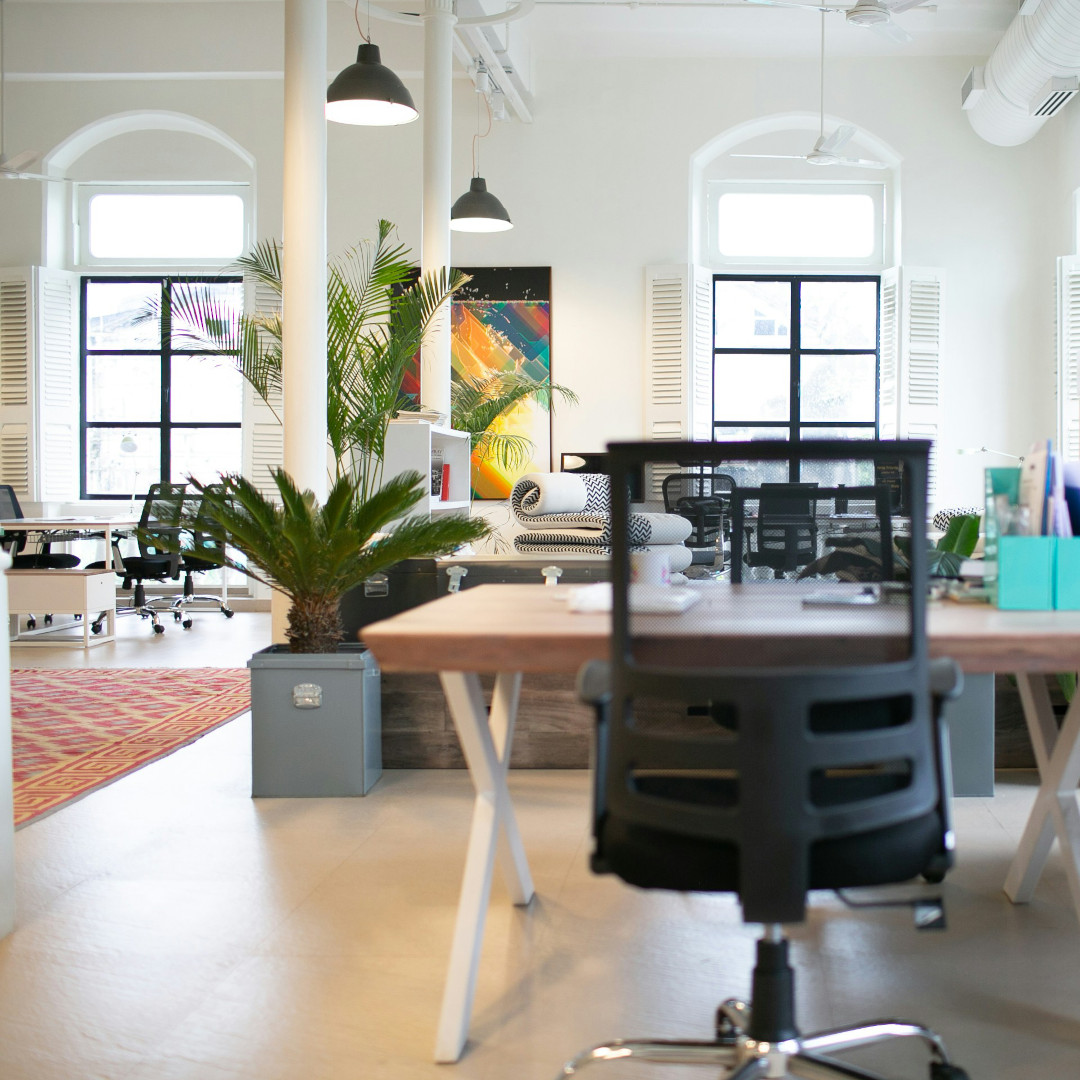
Creating a Functional Home Office
A spare bedroom, corner of a living room or dedicated study can all function as a home office.
What separates a temporary working spot from a successful home office fitout is not necessarily the amount of space available. It is how well that space supports concentration, comfort and everyday routines.
A thoughtful home office should make starting work easier and finishing work easier too.
That means considering more than simply finding somewhere to place a laptop.
Table of Contents
- The Desk Should Fit the Work, Not Just the Room
- Your Chair and Desk Need to Work Together
- Storage Can Reduce Visual Noise
- Lighting Changes How the Workspace Feels
- Cable Management Is More Important Than It Looks
- Separate Work Without Building a Separate Room
- Consider the Room Before Buying Furniture
- A Home Office Does Not Need to Look Corporate
- Frequently Asked Questions
The Desk Should Fit the Work, Not Just the Room
Small desks can look appealing in photographs, but usable work surface matters.
Someone who works almost entirely from a laptop may need relatively little space. A person using two monitors, notebooks, documents and other equipment will need considerably more.
Desk depth matters as well.
A desk can technically fit a computer while still leaving the screen too close or creating awkward space for the keyboard and mouse.
Rather than starting with the largest desk that fits into the room, think about what regularly needs to be on the work surface.
That usually gives a much more realistic idea of the appropriate size.
Your Chair and Desk Need to Work Together
A comfortable chair cannot compensate for a desk that is positioned poorly.
Likewise, the right desk height is less useful if the chair cannot be adjusted appropriately.
Safe Work Australia’s home-working information recommends considering the setup of the chair, desk, monitor, keyboard and other workstation equipment rather than treating each item separately.
The Australian Government’s working from home checklist can help identify common workplace hazards when working from home.
A successful fitout therefore treats the workstation as one system.
Storage Can Reduce Visual Noise
Home offices often share space with the rest of the household.
That can make clutter more noticeable.
Documents, chargers, stationery, headphones and equipment quickly accumulate around a workstation if they do not have a defined place.
One of the simplest office fitout ideas is to include less storage, but make it more purposeful.
A small set of drawers for frequently used items may be more helpful than a large cabinet across the room. Vertical shelving can use wall space without reducing the usable floor area.
The aim is not necessarily to hide everything.
It is to make sure the things you need regularly are easy to reach without permanently occupying the desk.
Lighting Changes How the Workspace Feels
Home offices are often fitted into whichever room is available, which means lighting may not have been designed for computer work.
Natural light can make a workspace feel pleasant, but the position of the desk matters.
A bright window directly behind or in front of the monitor may create glare or uncomfortable contrast. Repositioning the workstation can sometimes improve the space without purchasing anything at all.
Task lighting can also be helpful for reading documents or writing when general room lighting is not sufficient.
Lighting is a good example of why a home office fitout should consider the whole room rather than furniture alone.
Cable Management Is More Important at Home Than It Looks
Power boards, laptop chargers, monitor cables and phone chargers can turn an otherwise tidy workspace into a frustrating one.
Planning where power comes from before positioning furniture can prevent cords from stretching across walkways or hanging awkwardly from the desk.
Cable trays, clips and accessible power points can also make it easier to unplug equipment when needed.
This detail may not seem important when choosing furniture, but it can have a noticeable impact on how organised the workspace feels every day.
Separate Work Without Necessarily Building a Separate Room
Not everyone has a dedicated study.
Furniture placement can still create a psychological boundary between work and home.
A desk positioned against one wall, a small shelving unit used as a divider or simply keeping work equipment contained within one defined area can help the workspace feel separate.
At the end of the day, putting away the laptop or closing a storage cabinet can create a clearer transition out of work mode.
This can be particularly useful when the office is located in a bedroom or shared living area.
Consider the Room Before Buying Furniture
Some of the best office fitout ideas begin before a single item is purchased.
Measure the room carefully.
Note doors, windows, power points, built-in storage and pathways.
Consider how far a chair needs to move backwards and whether cabinet doors can open comfortably.
A desk may fit perfectly according to its width but still make the room difficult to move through.
Planning around the way the room is actually used can prevent these problems.
A Home Office Does Not Need to Look Corporate
Professional does not have to mean impersonal.
Home offices can use colours, artwork, plants and furniture finishes that suit the surrounding home.
In fact, choosing furniture that feels comfortable within the house may make the workspace more enjoyable to use.
What matters is preserving the practical elements: enough workspace, appropriate seating, suitable lighting, manageable storage and a layout that supports the working day.
The strongest home offices feel like part of the home while still functioning as somewhere serious work can happen.
Ready to Optimise Your Workspace?
Get professional input on layouts, spatial planning, and furniture selection to build a home office that genuinely works for you.
FAQs About Home Office Fitouts
How much space do I need for a home office?
There is no fixed minimum. The important consideration is whether there is enough room for the required workstation, chair movement, storage and safe access.
What should I buy first for a home office fitout?
Start with the workstation requirements. Understanding the desk size, seating needs, equipment and available room dimensions makes choosing other items easier.
Can I create a home office in a living room?
Yes. A defined desk area, compact storage and thoughtful furniture placement can create a functional workspace within a shared room.
What are some practical office fitout ideas for a small room?
Consider appropriately sized desks, vertical storage, minimal furniture, organised cables and using existing walls or shelving to define the workspace.
Is an adjustable desk useful in a home office?
It may be suitable for people who want greater flexibility in their working position. Whether it is worthwhile depends on the user’s needs, available space and budget.


