



Blog
Flip Table: Flexible Furniture for Multi-Use Workspaces

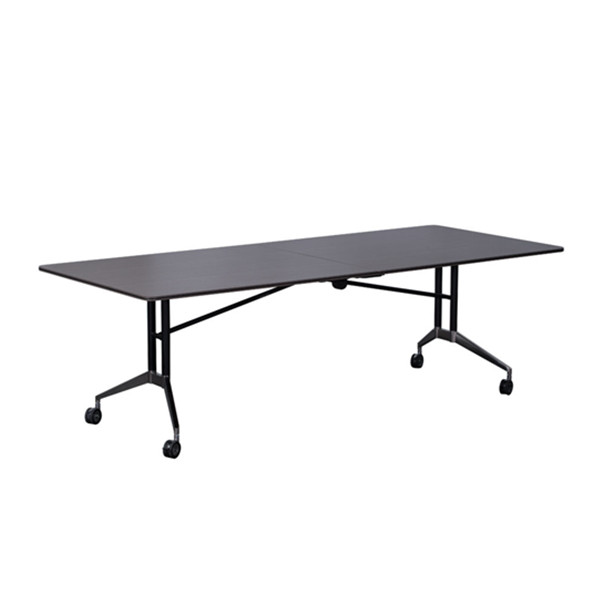
How a Flip Table Improves Meeting Room Flexibility
Many workplaces need their rooms to perform more than one job.
A meeting room may host a presentation in the morning, a training session later in the day and a project workshop after that. When the furniture is fixed in place, every change of use can require extra effort. A flip table gives the room more flexibility by allowing the working surface to be moved, stored or rearranged when required.
The value of a flip table goes beyond convenience. It can help an organisation make better use of its available floor space while creating a room that feels easier to adapt.
Table of Contents
Why fixed furniture can limit a room
A fixed table gives a room a clear purpose, but that purpose may become restrictive over time. A large meeting table can make it difficult to create smaller groups. Rows of tables can limit discussion. Furniture that cannot be moved may also leave part of the room unused during presentations or activities that require open space.
Flexible furniture allows the same room to support different ways of working. A flip table can be arranged in rows, clusters, a boardroom layout or separate work areas, depending on the activity.
This is particularly useful for businesses that do not have a dedicated room for every function. One well-planned space may need to support staff meetings, interviews, training, workshops, planning sessions and client presentations.
A flip table makes space more useful
The main benefit of a flip table is the ability to change the room without replacing the furniture.
When the table is in use, it provides a stable work surface for laptops, paperwork, presentation materials and group activities. When more open space is needed, the table can be moved aside or stored more efficiently than a traditional fixed table.
This can make a room feel less crowded and easier to navigate. It may also help staff create layouts that suit the size and purpose of each session instead of relying on one permanent arrangement.
Flexible tables can be particularly useful in:
- training rooms
- meeting rooms
- co-working spaces
- education and community facilities
- project rooms
- multipurpose office areas
Details that influence everyday performance
Not all flexible tables provide the same experience. Small design details can have a noticeable effect on how easy the furniture is to use.
Stable locking systems
The table should feel secure when it is open and in use. A reliable locking mechanism helps prevent unwanted movement and gives users confidence in the working surface.
Smooth movement
If the table is designed to move, the castors or base should support smooth repositioning. Movement should feel controlled and predictable, particularly when the table is used in a busy room.
Practical storage
The folded table needs to fit comfortably into its storage area. A design that takes up too much space when stored can reduce the benefit of having flexible furniture in the first place.
Durable surfaces
Meeting and training tables are exposed to frequent use. A durable surface that is easy to clean can help the room maintain a professional appearance across different activities.
A suitable size
The table should provide enough workspace for the intended number of users while leaving enough room for chairs and circulation. Several smaller tables may offer more flexibility than a single large table, depending on how the room is used.
Flexibility should support safe movement
Reconfigurable furniture should make a room easier to use without creating unnecessary physical strain.
Safe Work Australia explains that manual tasks involving lifting, pushing, pulling, carrying or moving objects can create risks when force, repetition or awkward postures are involved. Furniture selection, storage arrangements and room layout all have a role in reducing avoidable handling demands. Learn more by reading the manual tasks guide.
A well-planned space should make it clear where tables are stored and how the room can be arranged. The furniture should be suitable for the people who will use it, with enough room to move safely around the tables and chairs.
Professional design still matters
Flexible furniture does not need to look temporary.
A well-finished flip table can sit comfortably alongside boardroom tables, office workstations and presentation furniture. Choosing colours and finishes that complement the rest of the workplace helps the room feel intentional, even when the layout changes regularly.
This is useful for businesses that want the practical benefits of adaptable furniture while maintaining a polished environment for clients and visitors.
Flexible Meeting Room Solutions
Businesses planning a flexible meeting, training or collaborative area can view our range of adaptable furniture for commercial workplace applications.
Frequently asked questions
What is a flip table used for?
A flip table is used in spaces that need to support different layouts and activities. It can suit meetings, training sessions, workshops, presentations and temporary project areas.
Are flip tables suitable for professional boardrooms?
Yes. A well-designed flip table can provide a professional appearance while offering more flexibility than a fixed table. The finish, stability and proportions should suit the rest of the boardroom furniture.
Is a flip table easy for one person to move?
This depends on the table design, size, flooring and the person using it. Tables with suitable castors and practical handling features are generally easier to reposition, but the room should still be planned to minimise unnecessary movement.
What is the difference between a flip table and a folding table?
A flip table usually has a top that pivots into a vertical position, often allowing the table to be moved and stored efficiently. A folding table may fold in a different way, such as folding the top or frame. Both designs can support flexible room layouts.
Where should flip tables be stored?
They should be stored in a clear, accessible area that does not obstruct walkways, exits or essential equipment. The storage location should also make it easy for staff to access the tables when the room needs to change.


